


Authored by Ross Pomeroy via RealClearScience,
Our collective perception of flame is clouded.
When asked to picture a flame, most people probably envision an orange streak dancing to and fro over a pyramid of burning wood, or a tidy blue radiance emanating from a cooking stove.
Both are correct conceptions. But in each instance, fire's purest form is masked by periodic table 'pollutants', so to speak.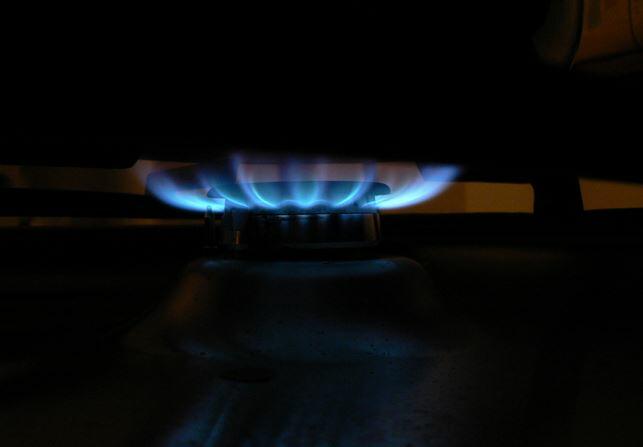
Above a roaring campfire, we only perceive orange and yellow hues as tiny carbon and sodium particles from the wood fuel are illuminated in the burning maelstrom.
Under a boiling pot of water on a stove, we see blue flames as methane combusts into carbon dioxide and water.
But there's a more elemental flame that most people have never witnessed. Not only because it's rare in everyday modern life, but because it's nearly invisible in daylight and only seen as the faintest pale blue in darkness. This is a hydrogen flame.
When combusted in the presence of oxygen, hydrogen (the lightest element on the periodic table) transforms into water, a chemical process that yields almost no visible light. To see such a flame at all, thermal imaging cameras are often needed.
While hydrogen flames are an infrequent sight today, they could grow more common. As the cleanest burning fuel in existence, hydrogen may become an integral part of a green energy economy, finding use in steel furnaces, heavy-duty vehicles, and aircraft. A phasing out of fossil fuels will not only change the world, it might even alter our view of fire itself.
Свежие комментарии